Menus vs. Checklists and Bar codes

No matter how much one researches another country, they will always end up learning a new thing or two once they actually hop on a plane to visit it. I personally believed that certain social characteristics of the Egyptian society and other societies are the norm like chewing gum in public transportation (Definitely not the case in Singapore). Yet, Singapore introduced me to new norms especially in the dining world which shifted my perspective and understanding of eating practices.

Whenever my local friend took me to any restaurant or local food establishment, I noticed a common characteristic among those localities. In comparison to what I am accustomed to in restaurants whether in Egypt or even America or Europe, whenever we enter a restaurant, there is minimal social interaction with the waiter/waitress. Let me explain it further. For example, during my first day, my friend took me Ah Chew Desserts which serve gelatinous Chinese desserts such as steamed egg with fresh milk. We took our seats then looked through a very large picture menu of the desserts available. Once we decided, my friend wrote down our order on a piece of paper and gave it to the waitress. This process did not involve any form of communication with the waitress as we did not need to state our order out loud. This type of restaurant interaction was also present in a different form in other restaurants. Rather than writing down one’s order, other establishments use bar codes displayed within a clear plastic stand placed on the table. We would use our phones to scan the bard code, then we would access the menu and tick the food items we want using the online menu checklist. This form of food ordering again does not involve human conversation.

I believe that such establishments cannot be visited by a foreigner without the company of a local especially if the individual is used to the traditional form of oral restaurant service. This style of service reminds me of fish restaurants in Egypt wherein the way the food is ordered is not similar to the traditional service offered by most restaurants. In fish restaurants, the customer would accompany the fish seller to a large display of a diverse collection of fish presented atop a mountain of crushed ice. They would decide on the kinds of fish they want, the amount in grams and kilos and their cooking style. Then they would head to the main seating area of the restaurant to await their order. A foreigner may struggle in such an establishment without a local especially because they would not have the background knowledge of all the steps required to order the food. The same can be said for certain places such as Katz’s Delicatessen at NYC. An establishment that requires a unique collection of steps in order to make an order that may not be known to foreigners.
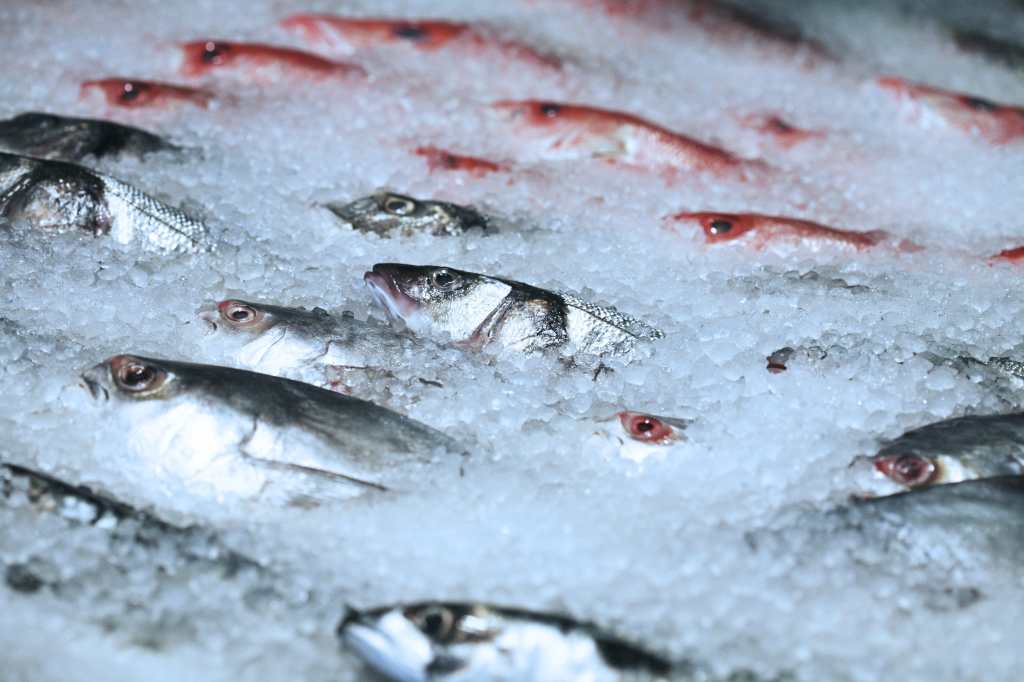
Fish displayed at restaurants

Overall, it is refreshing that restaurants around the world are taking on new approaches in terms of food service. It allows for more enjoyable and exciting food experiences.

Image Source: HD wallpaper: Illustration of checklist in notebook with pen and coffee., business

Image Source: Flapper couple, Restaurant, Menu, Waiter, 1920s

Image Source: denmark, odense, order, menucard, ipad, menu, restaurant, electronic menu

Image Source: Fish market, fish, fresh, ice, market, seafood, freshness, food
Mentaiko – The Underrated Fish Roe Sauce

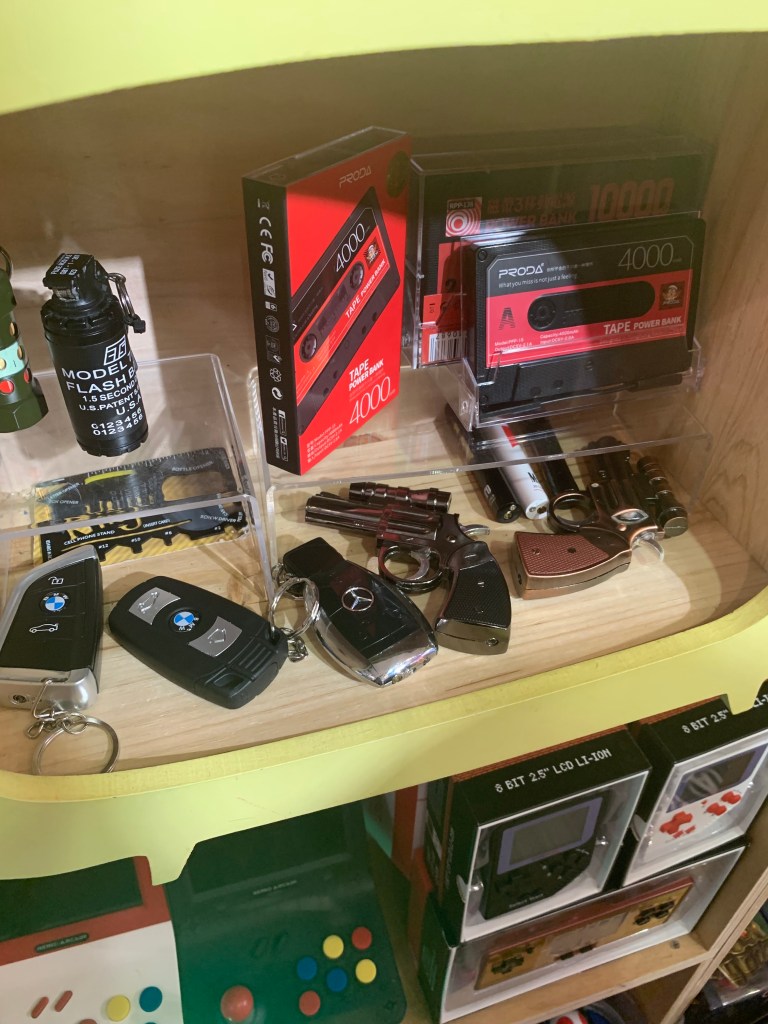
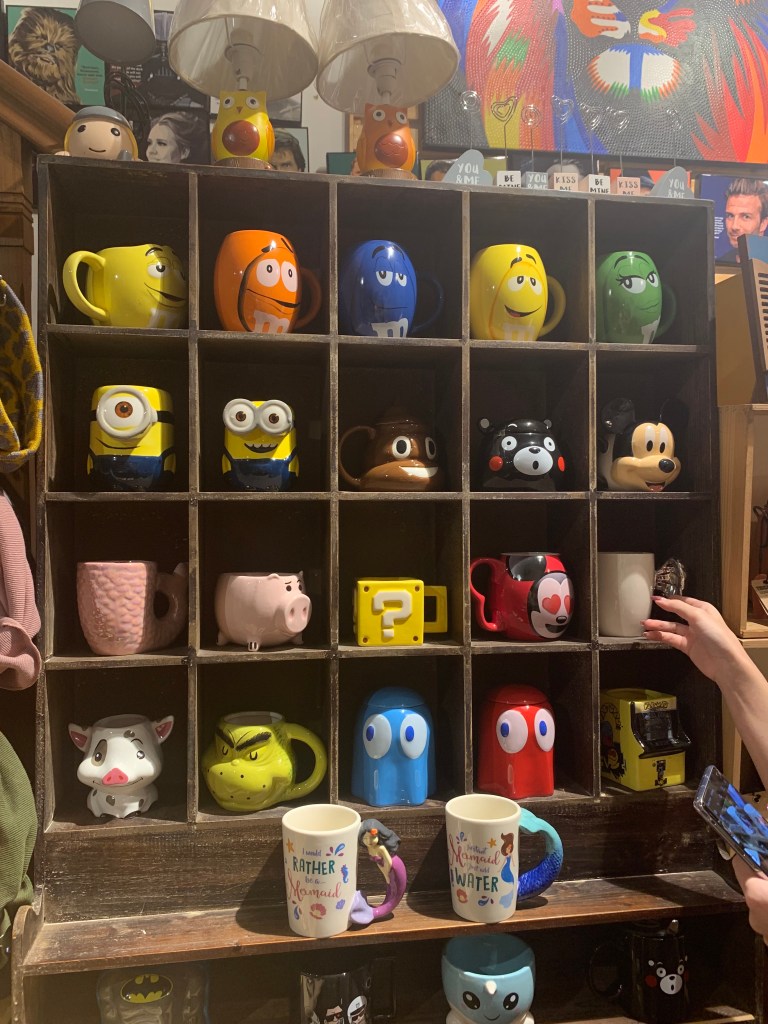
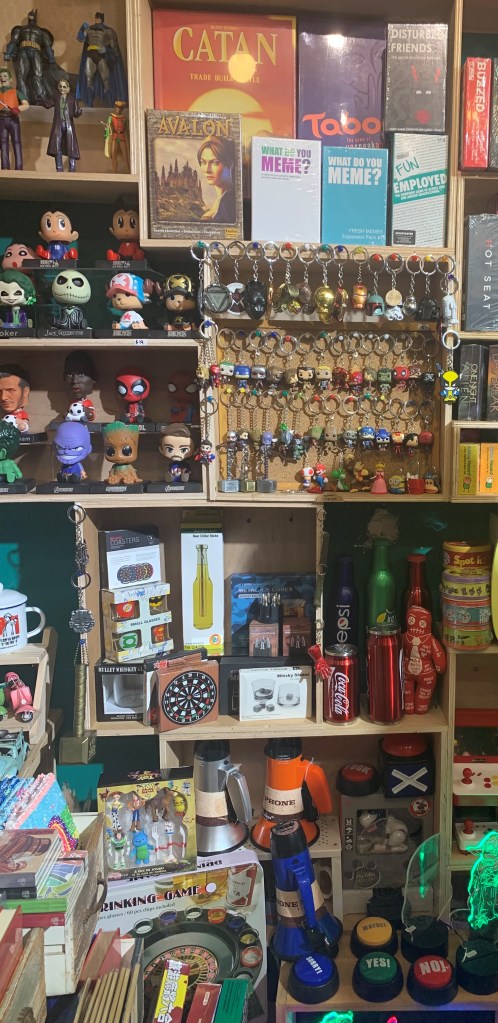
My trip to Singapore can only be described as a ceaseless series of surprises. I was surprised when I found out that Singapore has very cool shops at Haji lane that sell awesome souvenirs and collectibles such as Mario figurines, M&M themed mugs and lighters shaped like guns or the vending machines that squeeze fresh orange juice for its customers. Yet none of these surprises compared to what I encountered on the 3rd day of my trip.

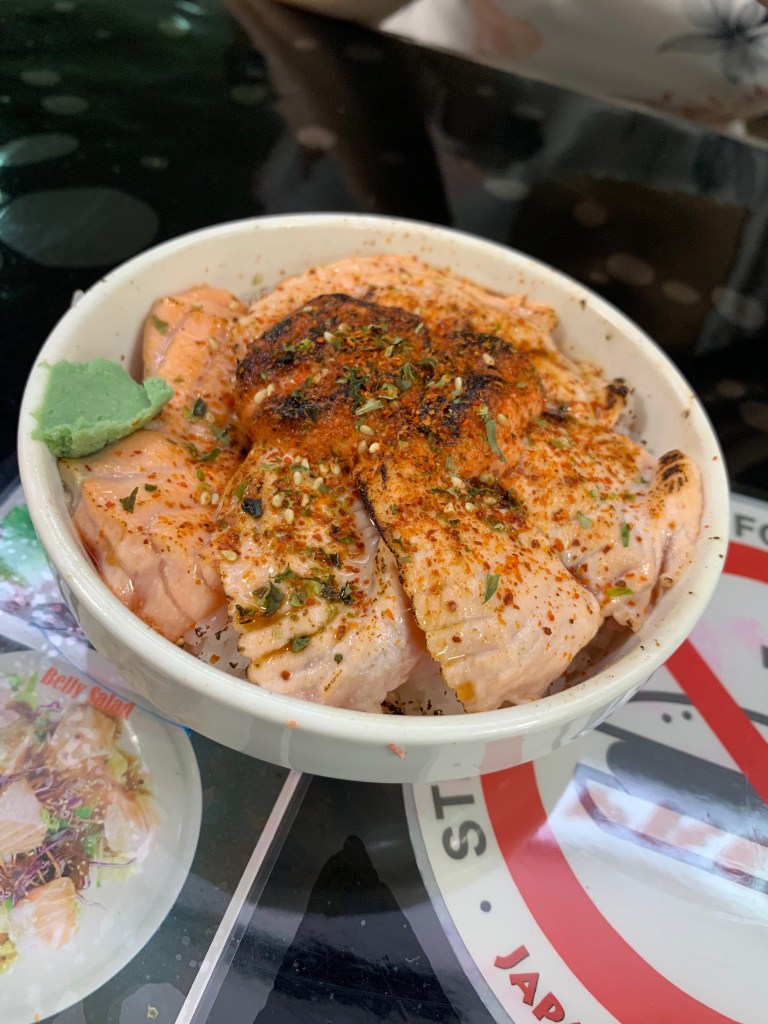
I never could imagine eating fish roe and I have always felt an intense aversion to it especially when I would come across it while debonening my favorite char grilled Denise fish at any fish restaurant in Egypt. Yet, my exposure to Mentaiko led to a shift in my perspective. The first time I encountered this Japanese fish roe sauce was when my local friend took me to Japanese Curry Express, a small shop inside Fortune center, a shopping center. The restaurant only had four tables and they were all full but its known to be a quick dine in so we did not wait for a long time. My friend and I looked at the picture menu and then we used the available checklist to tick off the menu items we wanted and gave the checklist to the waitress. We ordered chicken curry katsu, prawn wontons and salmon mentaiko. I have had both katsu and wontons before so I was accustomed to their taste, yet I was not expecting the flavors of the Salmon Mentaiko.

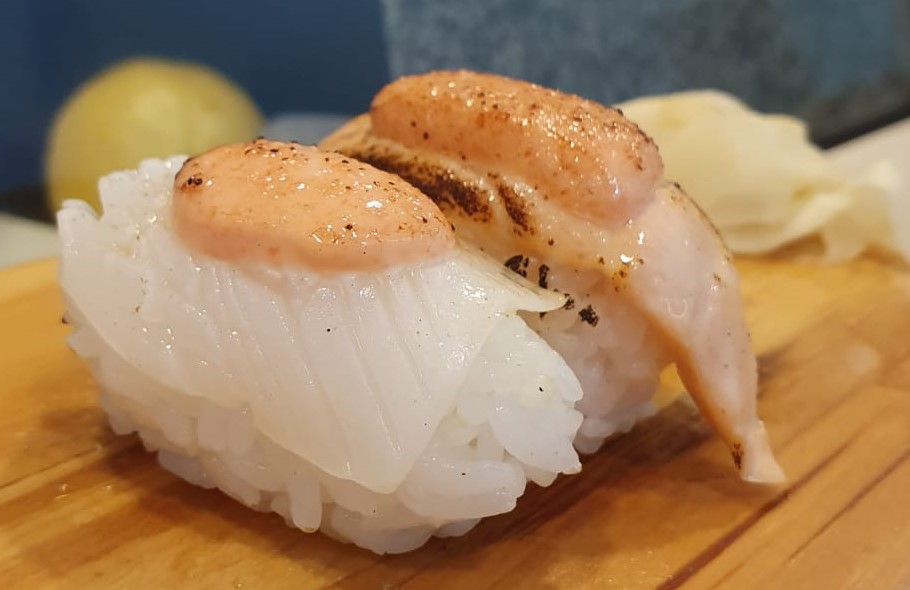
Salmon Mentaiko Dish

The dish consisted of seared salmon, hence it is was not fully cooked, one side was crunchy and light pink while the other side was raw, soft, translucent and of a darker color. The salmon was atop sticky rice covered in delicious spices and atop the salmon and rice was the Mentaiko sauce made from the roe of a cod mixed with Japanese mayonnaise and ketchup. The sauce was the star of the dish, it was very creamy. I was very surprised when I discovered that it was fish roe and from that day on I had a new appreciation for fish roe as an ingredient.

Based on my experience with Mentaiko, I realized that Singapore thrives in its ability to transform any initially off-putting item of food into something inviting and appetizing. I had a discussion about this characteristic of Singapore with my local friend’s boyfriend. He highlighted how Singaporean locals excel at cooking certain food items in alternative ways to make them more inviting. For example, I told him how I cannot stand oysters as eating them feels like a having a live, jiggly piece of jelly covering the entirety of my tongue. He told me that there is a way I can have oysters without having to go through that experience because in Singapore, some shops fry oysters. I told him that I would genuinely try fried oysters because, to me, the texture of fried food and its dryness starkly contrasts with the slimy nature of oysters.

I believe Egypt can try to incorporate this technique of altering the original nature of its dishes to make them more appetizing especially to foreigners who may not be accustomed to certain ingredients or combinations of flavors. I believe they are already doing so. For example, Egypt is known to make fried brain sandwiches which I believe are more appealing than a boiled or steamed version. Small changes can truly make a big difference.

Hawker Centers – Trio of Chinese, Indian and Malaysian Cuisine

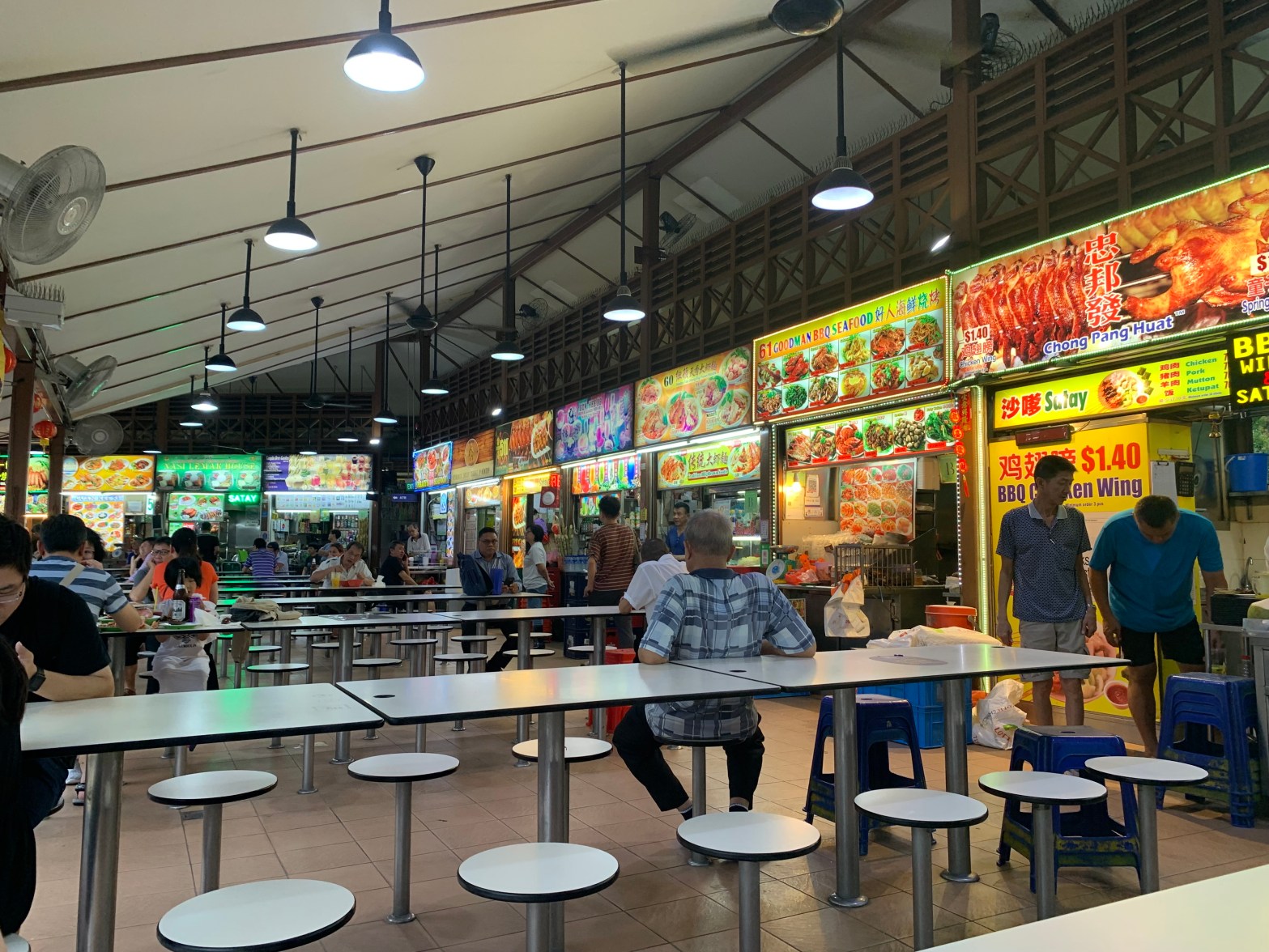
What would you get if you combine budget friendly international food and an outdoor food court setting, you would get Hawker Centers of course! Truly one of the best Singaporean gastronomic innovations. I was lucky enough to be taken to the most popular Hawker center in Singapore, the Newton Hawker Center.

There is a reason why this food establishment is given its own title and differentiates itself from the concept of food courts that we are accustomed to encountering in malls such as City Stars or Mall of Egypt. It is a whole other kind of food experience. Unlike the mass produced junk food items offered in fast food establishments such as McDonald’s, Hawker Centers specialize in offering delicious, cheap local food representative of Singapore’s trio identity of Chinese, Malay and Indian . Not only are all three cuisines equally represented but there are innumerable brightly lit stalls that outline the front and back of a large square courtyard offering an endless range of menu items. There is also seating under a tent ceiling for those who prefer something similar to indoor seating.

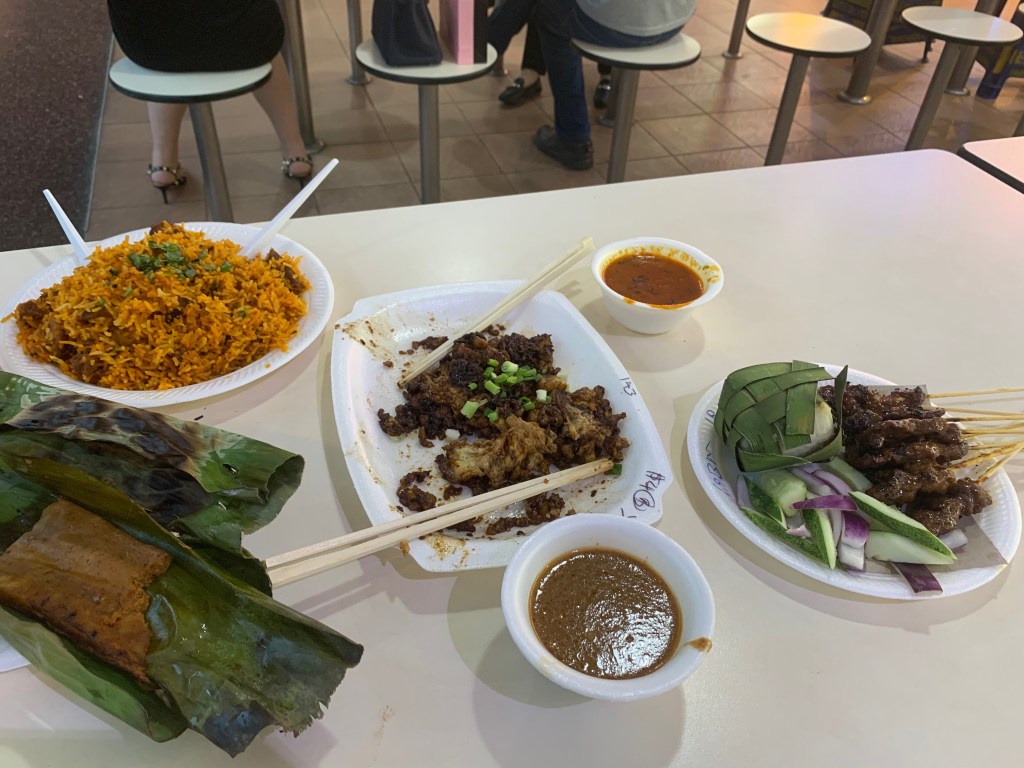
Once we chose a table, my Singaporean friend took charge and ordered us food from six different stalls. Unlike conventional food courts, if there are many employees at the stall, there is the added luxury of choosing to have your food served right at your table as each table is identifiable due to being labelled with a number but my friend decided to pick up the food herself from each stall. This feature is another way that hawker centers outperform conventional food courts. As shown in the above picture, on that night, I ate North Indian spicy mutton biryani drizzled in a red sauce, Southern Chinese Chai tow kway aka carrot cake (not actually carrot cake but rather soft, fried white radish cake), Malaysian lamb and beef satay, fish cake, Malaysian ice kachang (Shaved ice covered in yellow durian sauce with a layer of red beans and grass jelly below) and Malaysian popiah (similar to a spring roll sandwich) (not pictured above). I was actually able to eat from three different countries without having to step foot into an airport/airplane. That is the true beauty of Hawker Centers.

Egypt could benefit from this lucrative idea if it combines its local street food all in one location in an open air setting. I truly believe it would be a big success especially as local street food is a favored choice among the majority of Egyptian citizens and it surpasses social class. It would be nice to see a similar establishment in either Cairo or Alexandria, housing everything Egypt has to offer in stalls ranging from foul, falafel and kebda sandwiches to hawawshi and even Um Ali . If I were to make such an establishment, a perfect location would be by the corniche at Alexandria as it is already a location that boasts a wide variety of restaurants, cafes and so forth.

As seen in the documentary Ugly Delicious, when countries come together, new successful food inventions and establishments can be created such as the Mexican and Lebanese love child taco el pastor. So why shouldn’t Egypt and Singapore plan a matrimony soon?

Design a site like this with WordPress.com
Get started